
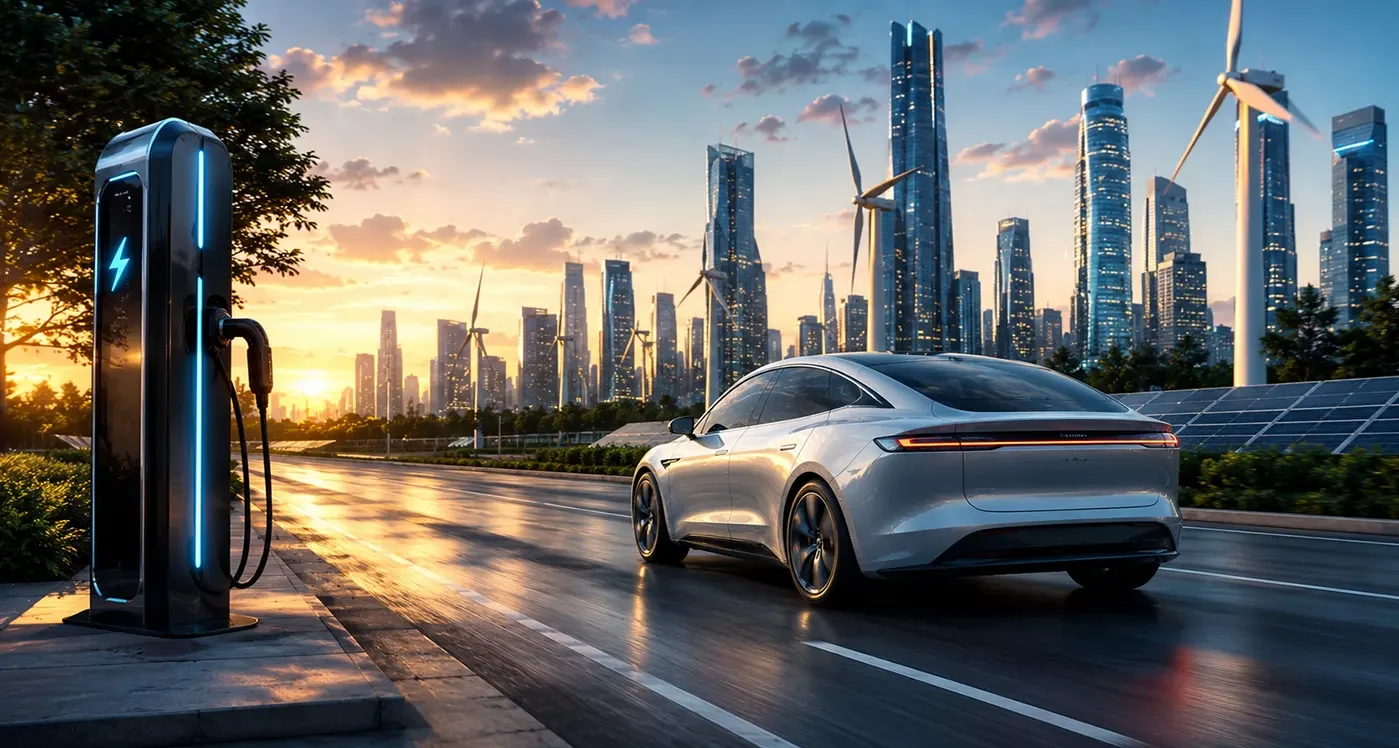

Defying Gravity: How Supercars Achieve Extreme Speed and Performance

Defying Gravity: How Supercars Achieve Extreme Speed and Performance

The pursuit of breakneck speed and physics-defying performance is the essence of the supercar. These machines are not merely fast; they are rolling laboratories where the limits of automotive engineering are continually tested and redefined. Achieving their extreme capabilities—often accelerating from 0 to 100 km/h in under three seconds and cruising beyond 320 km/h (200 mph)—relies on a three-pronged approach: Brute Power, Minimal Weight, and Masterful Aerodynamics.

1. Brute Power: The Engine as Art

At the heart of every supercar is a powertrain designed for maximum output.

  • Engine Mastery: While traditional supercars relied on large-displacement, naturally aspirated engines (like the iconic V10s and V12s) to produce high horsepower, modern hypercars use sophisticated technology to generate equivalent power from smaller units. Turbocharging and supercharging are universally employed, forcing massive amounts of air into the combustion chambers to achieve staggering output, often exceeding 750 horsepower. The Bugatti Chiron’s Quad-Turbo W16 is the
Defying Gravity: How Supercars Achieve Extreme Speed and Performance Read More
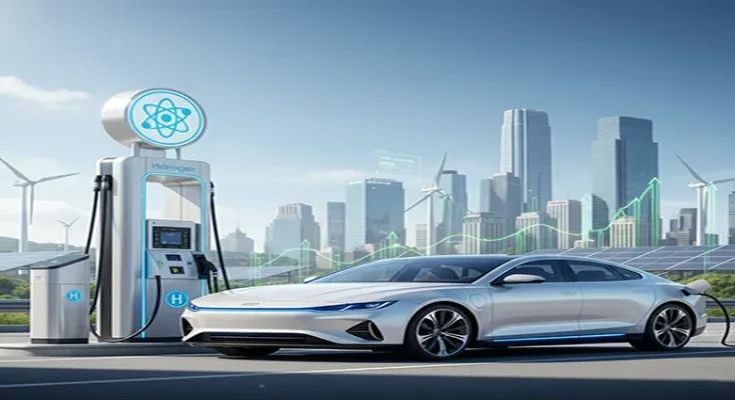
The Hydrogen Horizon: Development and Market Potential of Fuel Cell Vehicles

The Hydrogen Horizon: Development and Market Potential of Fuel Cell Vehicles

The push for a zero-emission future has intensified the focus on hydrogen-powered vehicle development as a critical complement to battery-electric technology. Fuel Cell Electric Vehicles (FCEVs), which combine hydrogen with oxygen to produce electricity and emit only water vapor, offer distinct advantages over battery-only systems, particularly in applications demanding long range and rapid refueling. While passenger adoption remains limited, the burgeoning market potential lies in heavy-duty commercial transport and strategic national energy initiatives.

Development: Fuel Cell Technology Breakthroughs

Current FCEV development is concentrated on boosting efficiency, performance, and durability.

  • Enhanced Powertrain Efficiency: Leading manufacturers like Hyundai and Toyota are continually refining their fuel cell stack technology. Newer generations of systems are achieving significant increases in power output and efficiency, leading to higher system output and quicker acceleration. For example, recent models boast driving ranges well over 800 km on a single, quick hydrogen refill, effectively addressing “range anxiety” often associated
The Hydrogen Horizon: Development and Market Potential of Fuel Cell Vehicles Read More