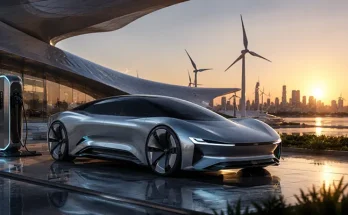

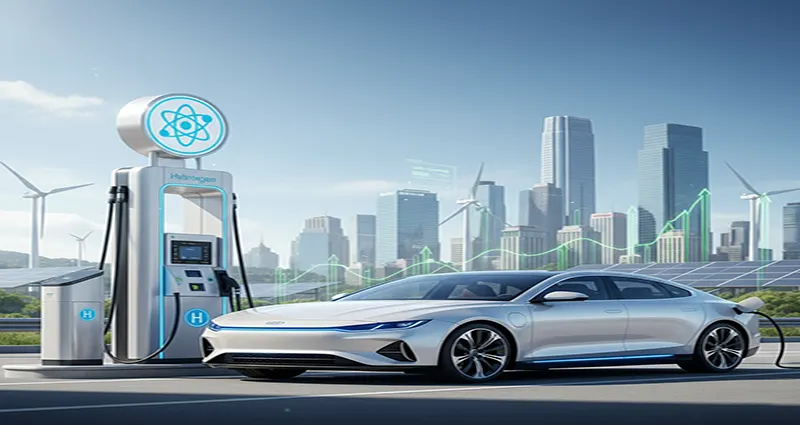
The push for a zero-emission future has intensified the focus on hydrogen-powered vehicle development as a critical complement to battery-electric technology. Fuel Cell Electric Vehicles (FCEVs), which combine hydrogen with oxygen to produce electricity and emit only water vapor, offer distinct advantages over battery-only systems, particularly in applications demanding long range and rapid refueling. While passenger adoption remains limited, the burgeoning market potential lies in heavy-duty commercial transport and strategic national energy initiatives.
Development: Fuel Cell Technology Breakthroughs
Current FCEV development is concentrated on boosting efficiency, performance, and durability.
- Enhanced Powertrain Efficiency: Leading manufacturers like Hyundai and Toyota are continually refining their fuel cell stack technology. Newer generations of systems are achieving significant increases in power output and efficiency, leading to higher system output and quicker acceleration. For example, recent models boast driving ranges well over 800 km on a single, quick hydrogen refill, effectively addressing “range anxiety” often associated with electric mobility.
- Storage Improvements: Hydrogen must be stored at high pressure (700 bar). Advancements in carbon-fiber-reinforced storage tanks are increasing the capacity and energy density of the on-board hydrogen system without compromising cabin space, improving overall vehicle utility.
- Commercial Vehicle Focus: Recognizing the superior utility of hydrogen for heavy-duty, long-haul transport, manufacturers like Toyota and BMW are strategically shifting their FCEV focus. Trucks, buses, and logistics vehicles require high energy payloads and minimal downtime for refueling—criteria where FCEVs clearly surpass current battery-electric alternatives. BMW, for instance, plans a move into mass-produced hydrogen cars by 2028, specifically targeting heavy-duty use.
Market Potential: The Commercial Driver
The global market for FCEVs is poised for substantial growth, with estimates predicting the market size could reach over $15 billion by 2030, growing at a high Compound Annual Growth Rate (CAGR).This expansion is overwhelmingly driven by the commercial sector.
| Vehicle Type | Market Advantage |
| Heavy-Duty Trucks & Buses | Long-range, quick refueling, minimal payload impact from battery weight. |
| Logistics & Ports | Centralized fleet operations, making dedicated hydrogen refueling viable and efficient. |
| Passenger Vehicles | Niches in high-mileage commuting and regions with established infrastructure (e.g., parts of California, Japan, South Korea). |
Governments across Asia and Europe are heavily investing in hydrogen infrastructure and providing incentives to decarbonize their public and freight transport sectors, acting as a crucial market catalyst.
The Headwinds: Key Challenges for Mass Adoption
Despite the technological progress, significant hurdles remain before hydrogen-powered vehicles achieve mass-market success:
- Refueling Infrastructure: This remains the most significant barrier. A sparse and costly network of hydrogen refueling stations (HRSs) outside of a few specific regions leads to severe “refueling anxiety” for potential passenger vehicle buyers.
- Cost: The high cost of the vehicles themselves, primarily due to the use of expensive materials like platinum in the fuel cell stack, and the high cost of green hydrogen production, make FCEVs less competitive against current fossil fuel cars and battery EVs.
- Hydrogen Production: True zero-emission mobility requires Green Hydrogen, produced via electrolysis powered by renewable energy. Currently, much of the world’s hydrogen is derived from natural gas (Grey Hydrogen), which negates the fuel’s environmental benefit.
The future of hydrogen-powered vehicle development is bright, but its market success hinges on strategic investments in the ecosystem—specifically, scaling green hydrogen production and rapidly expanding the refueling network to catch up with the vehicle technology itself.