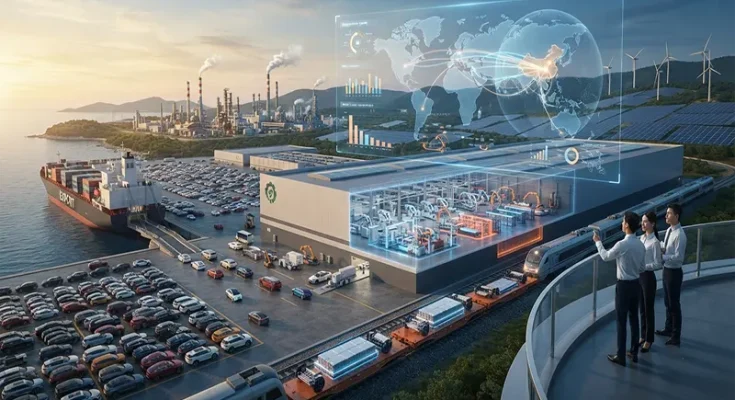
Why China Dominates the Global Electric Vehicle Supply Chain

Why China Dominates the Global Electric Vehicle Supply Chain

The global transition to electric vehicles (EVs) is fundamentally tethered to a single industrial powerhouse: China. This absolute dominance is not an overnight accident, nor is it merely the product of cheap labor. Rather, it is the result of a multi-decade, state-supported masterclass in resource control, vertical integration, and unmatched manufacturing scale.

Understanding how China captured nearly every tier of the modern automotive ecosystem reveals structural realities that legacy manufacturing hubs are scrambling to replicate.

Core Pillars of China’s Supply Chain Dominance

China’s leadership across the EV value chain rests on three essential, deeply entrenched structural pillars:

1. Mineral Refining and Critical Material Monopolies

Long before mass-market electric cars caught on globally, China secured early dominance over the physical building blocks of the energy transition.

  • Upstream Processing Control: While raw minerals like lithium, cobalt, nickel, and rare earth elements are mined across various continents, a staggering percentage of their chemical
Why China Dominates the Global Electric Vehicle Supply Chain Read More
Impact of Domestic Price Wars on the Chinese Automotive Industry

Impact of Domestic Price Wars on the Chinese Automotive Industry

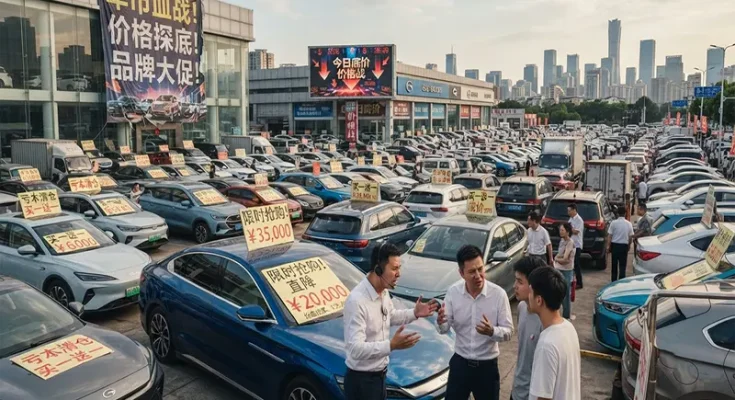
Years of aggressive, relentless discounting have transformed China’s domestic car market into an ultra-competitive “red ocean,” fundamentally reshaping the world’s largest automotive ecosystem. What began as a strategic bid to capture market share and accelerate electric vehicle (EV) adoption has evolved into a high-stakes endurance test.

This prolonged price war presents a powerful paradox: while it successfully accelerated consumer adoption and drove massive technological iteration, it has severely compressed profit margins, triggered heavy financial strain, and forced a structural reckoning across the entire manufacturing supply chain.

The Anatomy and Economics of the Price War

The prolonged discounting cycle has fundamentally altered the financial and operational reality of building cars in China. Three core consequences define this transformation:

1. Severe Margin Compression and Financial Strain

For years, automakers prioritized top-line volume growth over bottom-line health, slashing vehicle prices by thousands of dollars to outmaneuver rivals.

  • Unsustainable Economics: As net profit margins
Impact of Domestic Price Wars on the Chinese Automotive Industry Read More
Latest Smart Technology Innovations in the Chinese Automotive Industry

Latest Smart Technology Innovations in the Chinese Automotive Industry

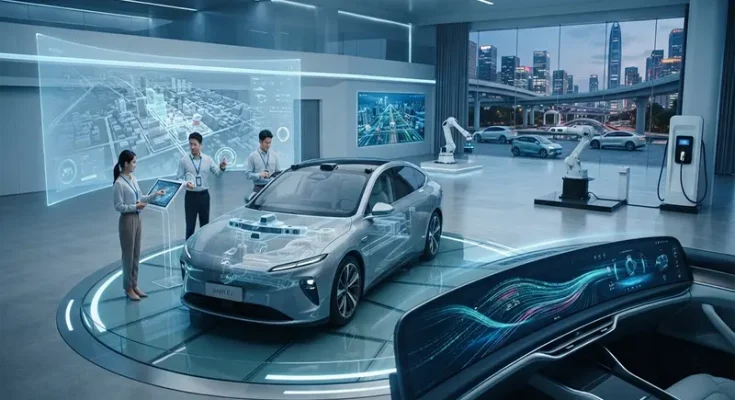
The global automotive market has long moved past simple electric vehicle (EV) electrification. Today, the epicenter of software-defined and AI-driven mobility has decisively shifted toward China. The modern vehicle rolling out of Chinese manufacturing hubs is no longer viewed merely as a mechanical transportation machine, but rather as a high-performance “physical AI” device and a deeply integrated digital living space.

Driven by intense domestic competition and rapid consumer tech adoption, Chinese automakers and cross-over tech giants are completely redefining what cars can do, how they are built, and how they interact with users.

Core Technological Breakthroughs Shaping the Market

The rapid modernization of China’s automotive sector rests on three fundamental technology pillars that are setting new benchmarks for the global supply chain:

1. Agentic AI and Next-Gen Smart Cockpits

The automotive cockpit has evolved far beyond basic touchscreen interfaces and static voice commands. Powered by localized Large Language Models (LLMs) …

Latest Smart Technology Innovations in the Chinese Automotive Industry Read More
How Chinese Electric Vehicle Brands Are Expanding Globally

How Chinese Electric Vehicle Brands Are Expanding Globally

1. The Global Automotive Shift

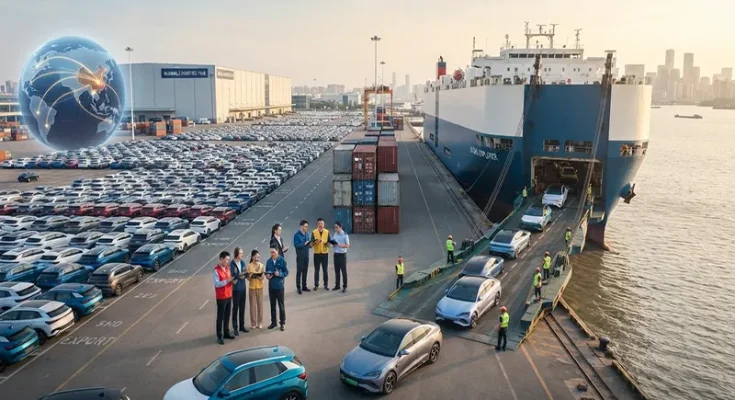
Chinese electric vehicle (EV) manufacturers have rapidly transitioned from domestic market leaders into formidable global competitors. Propelled by surging export volumes and record-breaking overseas shipments, major automotive groups—such as BYD, Geely, NIO, and SAIC—are challenging legacy Western, Japanese, and Korean brands across Europe, Southeast Asia, Latin America, and the Middle East.

Driven by integrated supply chain infrastructure, aggressive software-hardware innovation, and adaptable regional strategies, Chinese EV brands are fundamentally reshaping the worldwide automotive landscape.

2. The Pillars of Competitiveness: Cost, Supply Chain, and Innovation

The rapid international ascent of Chinese automakers is not accidental; it is the result of decades of strategic state-backed development, structural advantages, and unmatched industrial execution.

  • Vertical Integration: Chinese manufacturers retain a high degree of control over critical supply chain touchpoints—from upstream lithium refining and raw mineral processing to in-house battery cell production and final assembly. This mastery significantly reduces input
How Chinese Electric Vehicle Brands Are Expanding Globally Read More
Pros and Cons of Hybrid Vehicles vs Plug-In Hybrids for City Driving

Pros and Cons of Hybrid Vehicles vs Plug-In Hybrids for City Driving

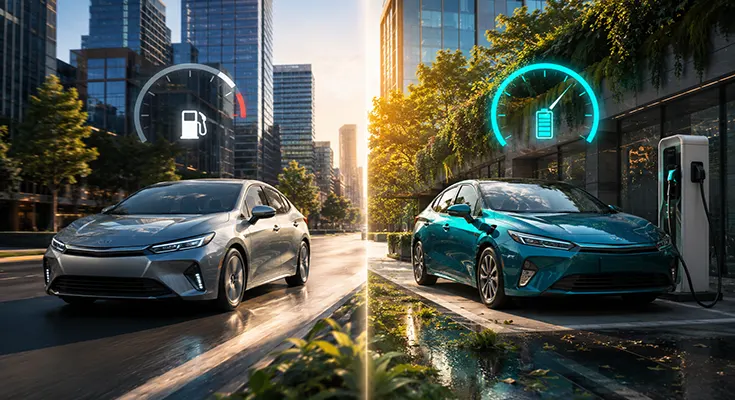
City driving has become the perfect testing ground for modern fuel-efficient vehicles. With stop-and-go traffic, shorter commuting distances, and rising fuel costs, many drivers are now comparing hybrid vehicles and plug-in hybrids to find the best urban transportation solution. While both technologies aim to reduce fuel consumption and emissions, they operate differently and offer distinct advantages depending on driving habits.

This guide explores the pros and cons of hybrid vehicles versus plug-in hybrids specifically for city driving, helping you decide which option fits your lifestyle best.

Understanding the Difference

Before comparing them, it’s important to understand how each system works.

Hybrid Vehicles (HEVs)

Traditional hybrid vehicles combine a gasoline engine with an electric motor. The battery charges automatically through regenerative braking and the gasoline engine itself. Drivers do not need to plug the vehicle into a charger.

Plug-In Hybrid Vehicles (PHEVs)

Plug-in hybrids also use both gasoline and electric power, …

Pros and Cons of Hybrid Vehicles vs Plug-In Hybrids for City Driving Read More