
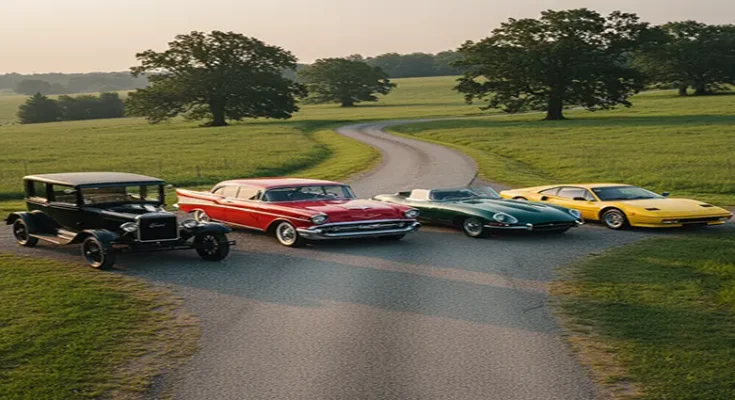
A History on Wheels: Exploring the Evolution of Classic Cars

A History on Wheels: Exploring the Evolution of Classic Cars

The term classic car is more than just an age category; it’s a designation reserved for vehicles that transcend mere transportation to become icons of design, engineering, and cultural significance. The history and evolution of classic cars reflect over a century of human ingenuity, economic shifts, and a passionate dedication to the art of the automobile.

The Defining Eras of Automotive History

While the specific age range for a “classic” varies (often considered 20 to 45 years old, with Vintage applying to 1919-1930 and Antique to pre-1919), the evolution is best viewed through distinct design and technological periods.

1. The Brass and Vintage Eras (Pre-1930s)

The journey begins with the early “horseless carriages” like the Benz Patent-Motorwagen (1886). The Ford Model T (1908) ushered in mass production, making cars accessible to the average person. The Vintage Era of the 1920s saw cars evolve from utilitarian boxes into symbols of status …

A History on Wheels: Exploring the Evolution of Classic Cars Read More
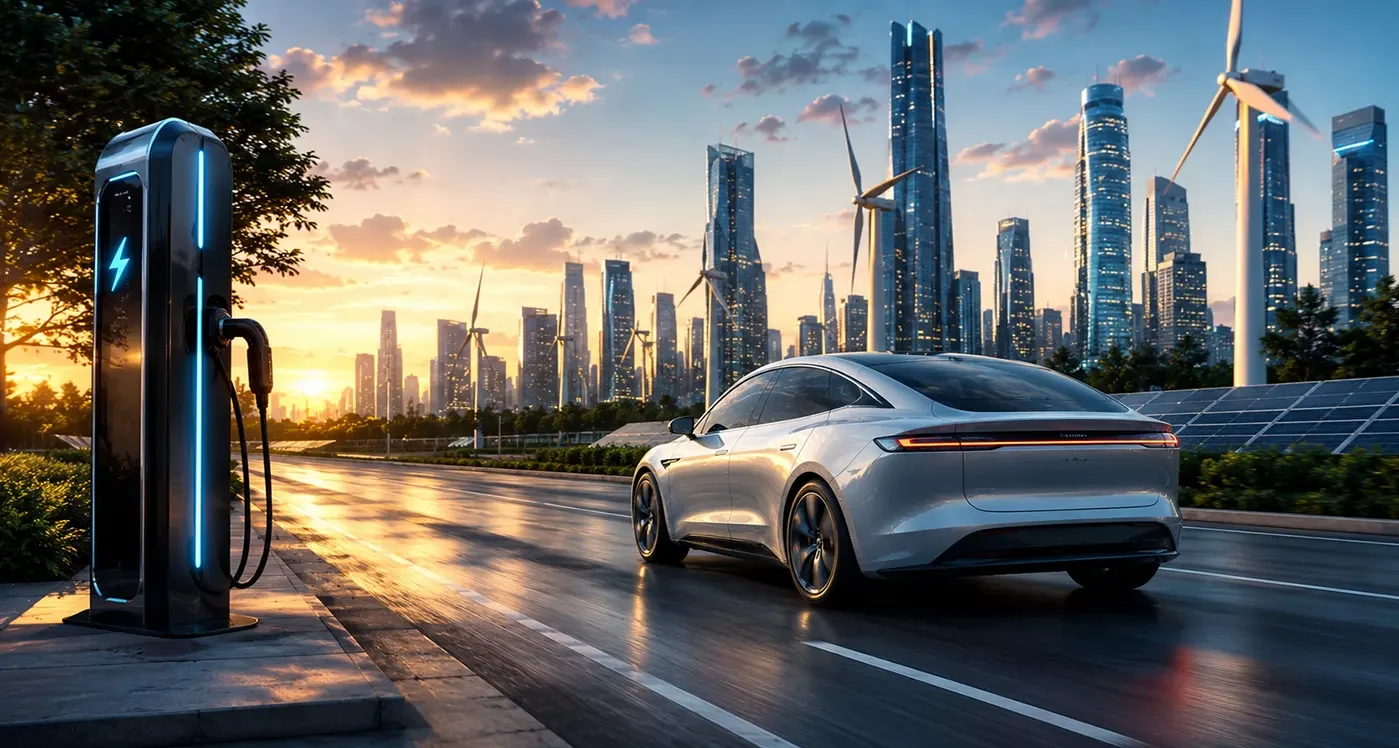
The Charge Ahead: Future Electric Vehicle Innovation and Sustainability Trends

The Charge Ahead: Future Electric Vehicle Innovation and Sustainability Trends

The transition to electric vehicles (EVs) is a cornerstone of global sustainability efforts. Yet, the future electric vehicle innovation is about far more than simply replacing a combustion engine with an electric motor. The industry is currently undergoing a radical evolution, driven by breakthroughs in technology and a deepening commitment to a circular economy, ensuring that e-mobility is truly clean from raw material to road.

The Battery Revolution: Innovation at the Core

Battery technology remains the single most critical factor determining an EV’s performance and sustainability footprint.

  • Solid-State Batteries: This is the “holy grail” of EV innovation. By replacing the liquid electrolyte with a solid one, solid-state batteries promise a higher energy density (meaning longer range, potentially 50% more), faster charging times (under 10 minutes), and significantly improved safety by eliminating fire risk. Major automakers are aiming for commercial deployment in the latter half of the decade.
  • Alternative Chemistries:
The Charge Ahead: Future Electric Vehicle Innovation and Sustainability Trends Read More