

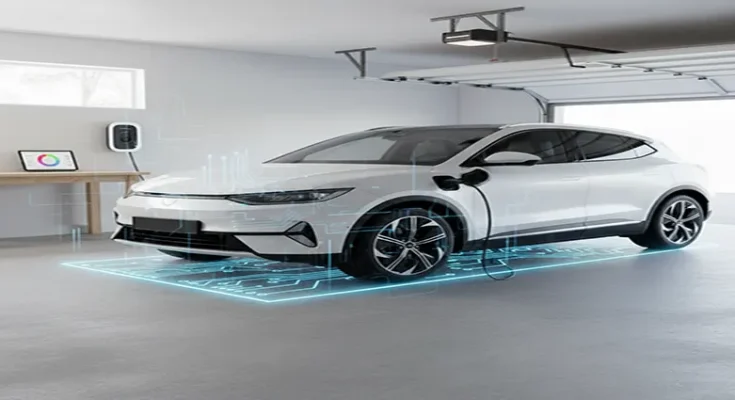
Maximizing Range and Longevity: Electric Car Battery Efficiency and Maintenance Tips
The battery is the heart of every Electric Vehicle (EV), and its performance dictates both driving range and the vehicle’s long-term value. Understanding electric car battery efficiency and maintenance tips is crucial for EV owners looking to maximize their range and ensure the longevity of this vital, high-tech component. While modern EV batteries are remarkably sophisticated and require less maintenance than internal combustion engines, a few smart habits can significantly enhance their operational life.
The Science of Efficiency
Electric car battery efficiency is measured by how effectively the stored energy is converted into driving power. Factors that commonly degrade efficiency include extreme temperatures and aggressive driving habits.
- Temperature Management: Lithium-ion batteries perform optimally within a moderate temperature range. High heat is the battery’s biggest enemy, accelerating degradation. Conversely, extreme cold temporarily reduces power and charging efficiency. Modern EVs use sophisticated Battery Thermal Management Systems (BTMS) to regulate temperature, but smart