
Chrome and Culture: The Impact of Iconic Cars in Movies and Media
Cars are far more than mere props in film and television; they are characters, symbols, and often, the very heart of the narrative. The cultural impact of iconic cars in movies and media is profound, transforming ordinary vehicles into global legends, shaping design trends, and influencing the collective identity of generations.
The Car as Character and Identity
In cinema, a car often serves as an extension of the protagonist’s personality, driving not just the action, but the emotional core of the story.
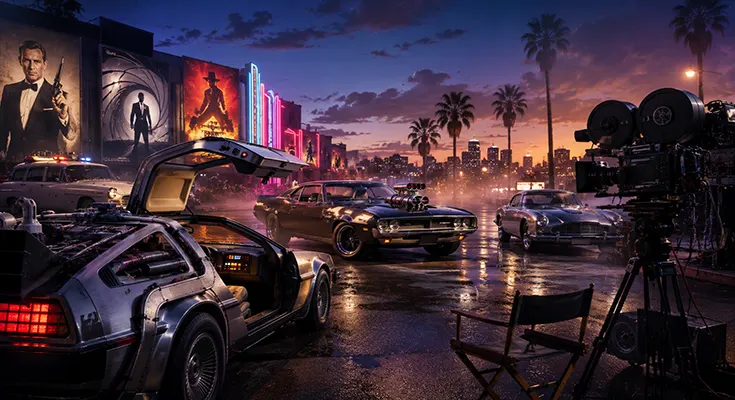
- The Spy’s Sophistication: The Aston Martin DB5 from the James Bond franchise became the ultimate symbol of British elegance, technological prowess, and effortless cool. Equipped with gadgets like an ejector seat and machine guns in Goldfinger (1964), the DB5 immediately transcended its status as a luxury vehicle to become the benchmark for all cinematic spy cars, influencing Aston Martin’s real-world brand identity for decades.
- The Time Machine: The