Cars are far more than mere props in film and television; they are characters, symbols, and often, the very heart of the narrative. The cultural impact of iconic cars in movies and media is profound, transforming ordinary vehicles into global legends, shaping design trends, and influencing the collective identity of generations.
The Car as Character and Identity
In cinema, a car often serves as an extension of the protagonist’s personality, driving not just the action, but the emotional core of the story.
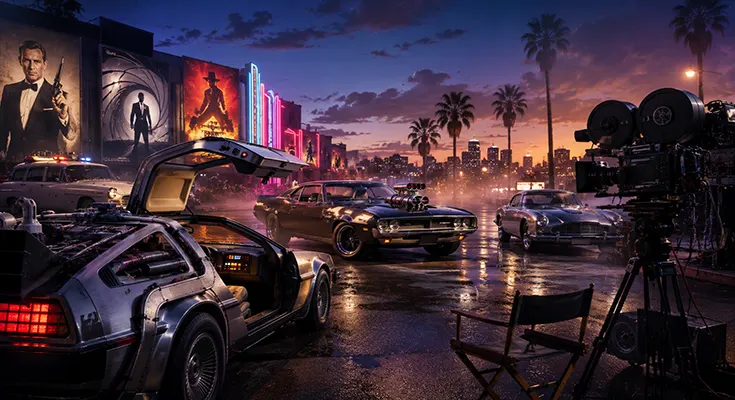
- The Spy’s Sophistication: The Aston Martin DB5 from the James Bond franchise became the ultimate symbol of British elegance, technological prowess, and effortless cool. Equipped with gadgets like an ejector seat and machine guns in Goldfinger (1964), the DB5 immediately transcended its status as a luxury vehicle to become the benchmark for all cinematic spy cars, influencing Aston Martin’s real-world brand identity for decades.
- The Time Machine: The DeLorean DMC-12 from Back to the Future is perhaps the best example of a car saved from obscurity by cinema. Its futuristic stainless-steel body and distinctive gull-wing doors made it the perfect vessel for time travel. The movie’s success cemented the DeLorean as a sci-fi icon, inspiring countless fan replicas and conventions, long after its original manufacturer went out of business.
Shaping Trends and Fandom
The on-screen presence of a vehicle can launch a car into the stratosphere of popular demand, influencing consumer behavior and even the direction of automotive design.
- Muscle and Rebellion: The raw, Highland Green 1968 Ford Mustang GT 390 Fastback driven by Steve McQueen in Bullitt (1968) did more than feature in a legendary chase scene; it solidified the Mustang as the definitive symbol of American muscle, rebellion, and anti-hero cool.This association continues to fuel the car’s enduring appeal and high resale value among enthusiasts.
- The Power of Customization: Franchises like The Fast & Furious transformed the perception of the car, particularly imported Japanese models like the Nissan Skyline GT-R and the Toyota Supra. They celebrated modification and street racing culture, directly influencing an entire generation of aftermarket parts sales and customization trends worldwide.The movies turned technical specifications and tuning into mainstream conversation topics.
Media’s Role in Cultural Moments
Beyond individual cars, media has romanticized the concept of the automobile itself. Road trip movies, music videos, and TV shows like Knight Rider (featuring the sentient KITT), have used cars to symbolize freedom, escape, and adventure. The open road became synonymous with personal discovery and breaking away from the mundane, establishing a powerful narrative in the global collective consciousness.
From the quirky charm of Herbie the Love Bug to the brutal militarism of the Batmobile Tumbler, these vehicles are cultural artifacts. They demonstrate how filmmakers use machinery to articulate themes, define eras, and leave an indelible, influential mark on both pop culture and the automotive industry itself.