
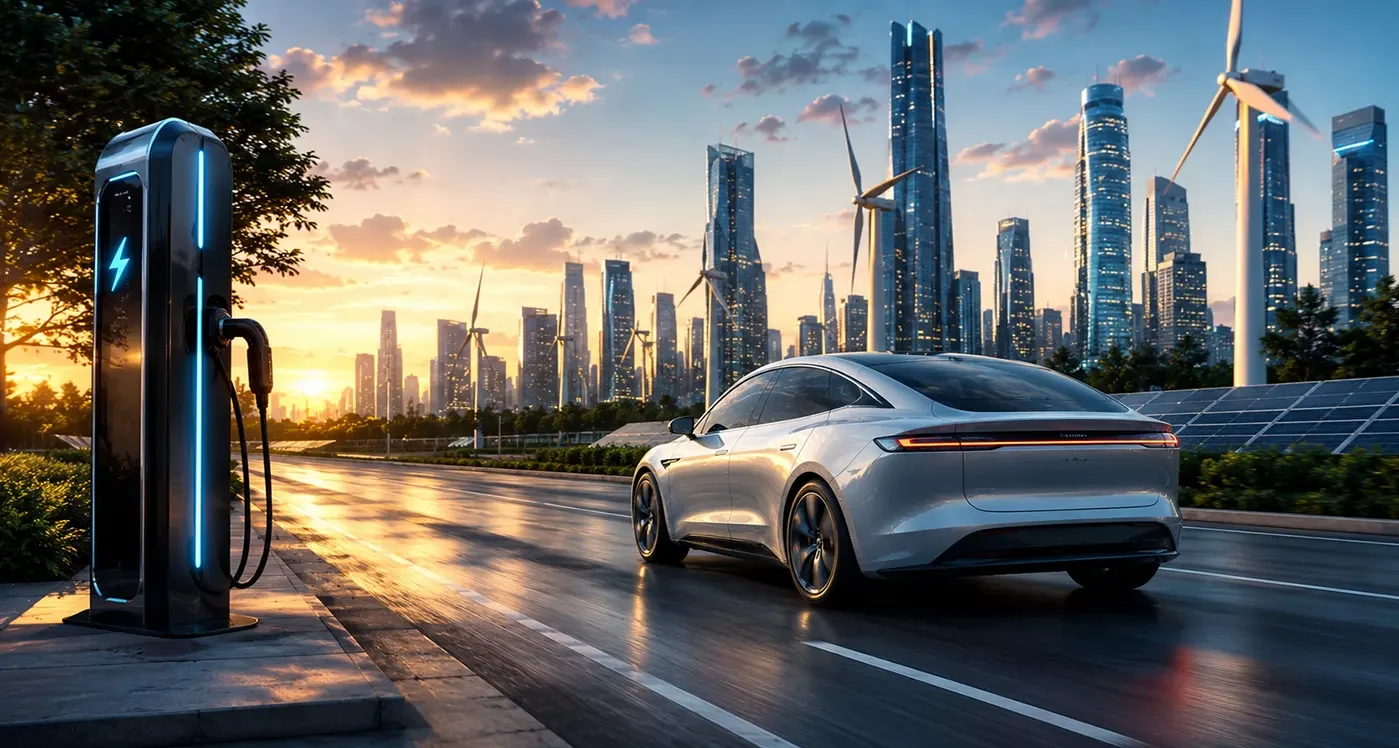
Fastest Megawatt Electric Vehicle Charging Technology Advancements

Fastest Megawatt Electric Vehicle Charging Technology Advancements

1. The Scaling Bottleneck

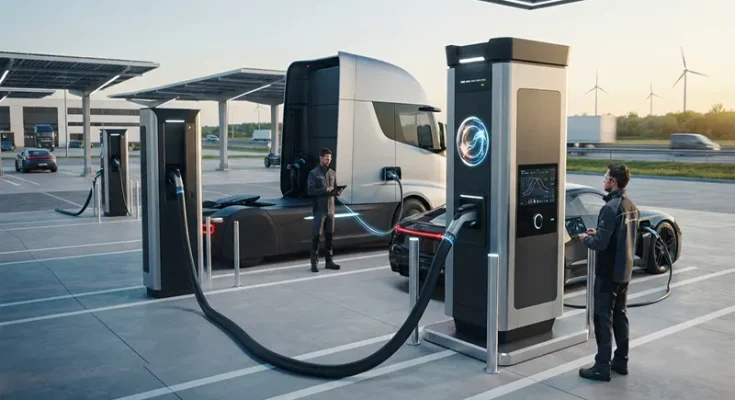
While passenger electric vehicles have achieved impressive fast-charging speeds, the heavy-duty commercial sector—comprising long-haul semi-trucks, transit buses, and industrial machinery—faces a massive energy replenishment hurdle. Traditional direct current (DC) fast chargers cannot power massive battery packs quickly enough to prevent devastating operational downtime.

Enter the Megawatt Charging System (MCS), the ultimate technological leap designed to deliver unprecedented energy output. Driven by recent global standardization milestones, liquid-cooled hardware innovations, and smart grid integration, megawatt-level charging is permanently transforming long-haul logistics and heavy transport.

2. The Engineering Anatomy of Megawatt Charging

To grasp the magnitude of MCS, one must look closely at the electrical thresholds required to move heavy commercial freight electrically:

  • Breaking Down the Numbers: While standard DC fast chargers max out around 350 kW, true megawatt architecture scales power delivery from 1 MW to 3.75 MW (operating up to 1,500 volts and 3,000 amps DC).
Fastest Megawatt Electric Vehicle Charging Technology Advancements Read More
How Chinese Electric Vehicle Brands Are Expanding Globally

How Chinese Electric Vehicle Brands Are Expanding Globally

1. The Global Automotive Shift

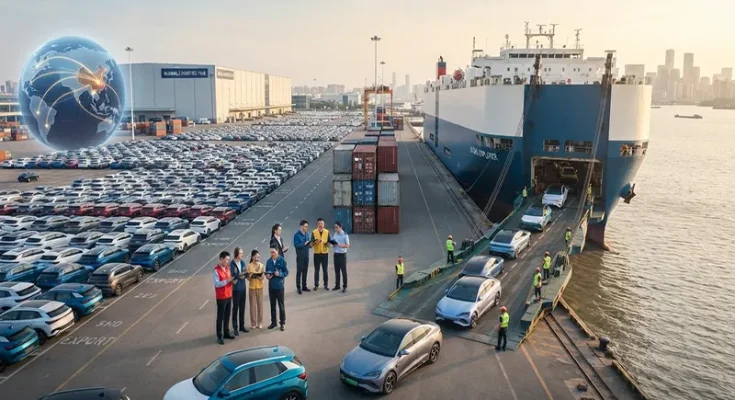
Chinese electric vehicle (EV) manufacturers have rapidly transitioned from domestic market leaders into formidable global competitors. Propelled by surging export volumes and record-breaking overseas shipments, major automotive groups—such as BYD, Geely, NIO, and SAIC—are challenging legacy Western, Japanese, and Korean brands across Europe, Southeast Asia, Latin America, and the Middle East.

Driven by integrated supply chain infrastructure, aggressive software-hardware innovation, and adaptable regional strategies, Chinese EV brands are fundamentally reshaping the worldwide automotive landscape.

2. The Pillars of Competitiveness: Cost, Supply Chain, and Innovation

The rapid international ascent of Chinese automakers is not accidental; it is the result of decades of strategic state-backed development, structural advantages, and unmatched industrial execution.

  • Vertical Integration: Chinese manufacturers retain a high degree of control over critical supply chain touchpoints—from upstream lithium refining and raw mineral processing to in-house battery cell production and final assembly. This mastery significantly reduces input
How Chinese Electric Vehicle Brands Are Expanding Globally Read More