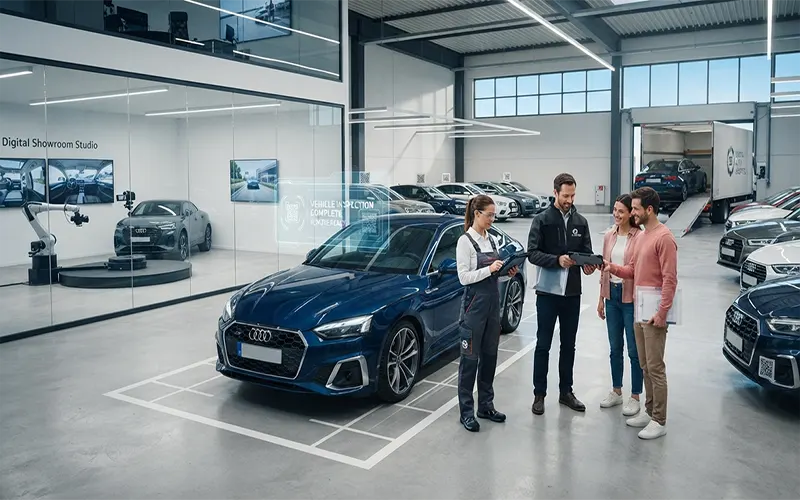
The automotive retail landscape has undergone a seismic shift. Gone are the days when buying a pre-owned vehicle strictly meant spending a Saturday afternoon pacing a gravel-strewn dealership lot under the watchful eye of a traditional salesperson. Today, modern consumers expect the same seamless, frictionless buying experience from the automotive industry that they get when purchasing consumer electronics on Amazon or booking a vacation on Airbnb.
Driven by digital-first consumer expectations, remote-first and online used car business models have evolved from experimental novelties into multi-billion-dollar powerhouses. For entrepreneurs, automotive innovators, and forward-thinking dealership owners, understanding these digital architectures is the key to capturing market share in a rapidly modernizing economy.
Core Business Models for Remote Used Car Sales
Transitioning away from the traditional brick-and-mortar sales paradigm requires adopting a framework tailored for digital scale, operational efficiency, and remote consumer trust. Three primary business models dominate the online used car space today:
1. The Fully Asynchronous E-Commerce Platform (The “End-to-End” Model)
Pioneered by digital giants, the fully asynchronous, end-to-end e-commerce model removes the physical dealership entirely from the buyer’s initial journey.
- How It Works: The platform acquires, refurbishes, inspects, and lists vehicles entirely online. Customers browse a digital inventory featuring high-resolution imagery, 360-degree spins, and granular disclosures of any cosmetic wear.
- The Transaction: Financing, trade-in valuations, and extended warranty purchases are integrated directly into the checkout flow via automated decision engines and fintech APIs.
- Fulfillment: Once purchased, the vehicle is either delivered directly to the customer’s driveway via a logistics network or made available for touchless pickup at a vending-machine tower or regional hub.
- Key Advantage: Complete convenience and scalability; consumers can buy a car in under 15 minutes from their couch.
- Operational Challenge: High capital intensity due to heavy inventory holding costs and the massive logistics infrastructure required for reconditioning and transport.
2. The Asset-Light Digital Marketplace & Brokerage Model
For businesses looking to enter the digital automotive space without absorbing the massive balance-sheet risks of holding thousands of vehicles, the digital-first marketplace or C2B2C brokerage model offers an attractive alternative.
- How It Works: Instead of buying vehicles into inventory, the platform acts as a high-tech intermediary. It connects private sellers, fleet liquidators, or wholesale auctions directly with retail buyers.
- The Transaction: The platform provides the digital storefront, verification layers, escrow services, and financing tools. Vehicles often remain with the seller until a transaction is finalized.
- Fulfillment: The platform coordinates logistics—often utilizing third-party transport partners—to ferry the car from the seller’s location to the buyer, sometimes passing through a centralized inspection hub for quality assurance.
- Key Advantage: Exceptional capital efficiency and scalability. Because the platform does not own the inventory, it avoids depreciation risks and cash-flow bottlenecks.
- Operational Challenge: Maintaining strict quality control over vehicle conditions, as the platform never physically touches every single car listed.
3. The Virtualized Traditional Dealership (The Hybrid Remote Model)
This model bridges the gap between legacy retail and pure-play digital e-commerce, making it ideal for existing independent or franchise dealerships pivoting toward remote sales.
- How It Works: The physical dealership remains operational, but the sales funnel is inverted. Marketing and initial customer acquisition happen entirely online through social media, digital advertising, and virtual showrooms.
- The Transaction: Sales interactions shift from face-to-face negotiations to live-video walkarounds, digital chat consultations, and remote e-sign financing platforms.
- Fulfillment: The dealer leverages localized home test-drives (bringing the car to the customer’s house) or curbside delivery, minimizing friction while retaining a local physical footprint for servicing and trade-ins.
- Key Advantage: Lower customer acquisition friction by leveraging local brand trust, combined with the ability to close deals remotely without a nationwide logistics network.
- Operational Challenge: Geographic limitations compared to national e-commerce players, as fulfillment is typically restricted to a regional radius.
Key Infrastructure & Technology Enablers Required for Success
Building a thriving remote used car business requires more than just a website with a list of cars for sale. To convert digital window shoppers into confident remote buyers, platforms must integrate a robust tech stack:
- Immersive Visual Technology: High-definition 360-degree exterior and interior tours, paired with transparent documentation of scratches, dents, and mechanical history.
- Automated Fintech Integration: Instant online pre-qualification, dynamic loan rate comparisons, and secure digital e-signature capabilities (such as DocuSign or specialized automotive contracting tools).
- Instant Valuation Algorithms: Proprietary or third-party integrated valuation tools that let customers accurately price their trade-in vehicles by uploading a few photos and providing a mileage reading.
- Post-Purchase Telematics & Tracking: Transparent logistics dashboards that give buyers real-time updates on when their newly purchased vehicle will arrive at their doorstep.
Overcoming Remote Sales Challenges
Operating in a remote environment introduces unique hurdles that digital platforms must actively mitigate to protect conversion rates:
- Building Trust: Because buyers cannot smell, touch, or test-drive the vehicle conventionally, platforms must rely on rigorous multi-point inspection certifications and transparent, unedited vehicle history reports (e.g., CARFAX or AutoCheck).
- The Return Policy Safety Net: Virtually all successful remote used car models offer a risk-free trial window—typically a 7-day to 30-day money-back guarantee—which acts as the ultimate psychological comfort blanket for hesitant buyers.
The evolution of remote used car sales represents a permanent structural change in how consumers buy and sell vehicles. Whether an enterprise chooses the high-capital end-to-end e-commerce route, the agile asset-light marketplace, or the localized hybrid dealership model, success hinges on trust, transparency, and frictionless digital execution. Businesses that master these pillars will define the future of automotive retail.