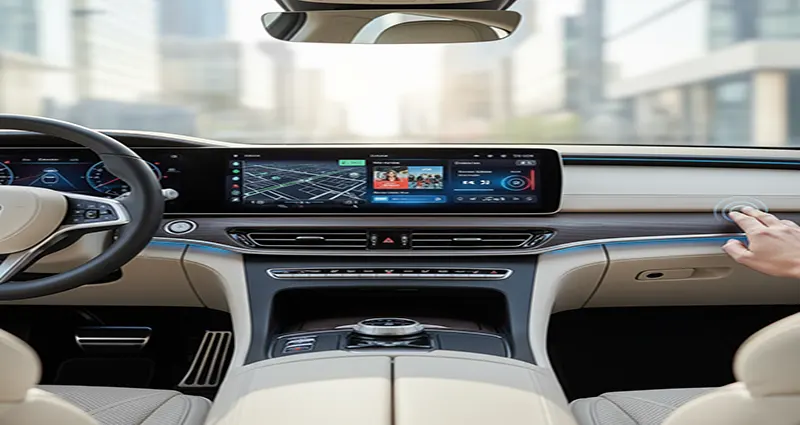
The smart car infotainment system has rapidly evolved from a simple radio and CD player into the central nervous system of the modern vehicle. These touchscreen interfaces manage navigation, communication, media, and even vehicle settings. For drivers whose cars might be a few years old or those simply seeking enhanced functionality, smart car infotainment system upgrades offer a gateway to a safer, more connected, and enjoyable driving experience without having to purchase a new vehicle.
The Power of Integration: Apple CarPlay and Android Auto
The most popular and foundational upgrade for many older vehicles is the integration of Apple CarPlay and Android Auto. These platforms mirror the essential functions of your smartphone onto the car’s display, providing immediate access to:
- Optimized Navigation: Using familiar apps like Google Maps or Waze.
- Hands-Free Communication: Making calls and sending voice-dictated texts.
- Streaming Media: Accessing Spotify, podcasts, and audiobooks.
If your existing head unit lacks this capability, upgrading to a modern aftermarket head unit that supports these features is a transformative step. These units are often designed to fit seamlessly into the dashboard and instantly modernize the car’s interior technology.
Expanding Functionality: Advanced Upgrades
Beyond basic smartphone integration, several advanced upgrades can significantly boost the utility and intelligence of your car’s system:
- Digital Sound Processing (DSP) and Audio Upgrades: A “smart” system isn’t just visual; it’s auditory. Upgrading the amplifier and adding a DSP unit allows for precise tuning and optimization of the sound output, making your media quality vastly superior, regardless of the original speakers.
- Integration of Advanced Driver Assistance Systems (ADAS): Some modern infotainment systems can serve as the display for auxiliary safety features. This includes integrating high-definition dashcams with the central screen, or adding 360-degree camera systems to older vehicles, using the new head unit as a sophisticated monitor.
- Over-the-Air (OTA) Capability: For vehicles with proprietary factory systems, newer modules or firmware updates can unlock features like OTA updates, which keep the software fresh, secure, and potentially add new functionalities down the road.
Choosing the Right Path
When considering a smart car infotainment system upgrade, drivers essentially have two paths:
- Factory Integration Modules: Devices that plug into the existing factory system to enable CarPlay/Android Auto while keeping the original screen and controls. This is ideal for maintaining an OEM look.
- Full Head Unit Replacement: Replacing the entire stereo (or “head unit”) with a feature-rich aftermarket model. This is the most comprehensive upgrade, often providing a larger screen, faster processor, and better audio components.
Regardless of the choice, these upgrades enhance safety by reducing driver distraction and ensure your vehicle remains relevant in an increasingly connected world. Investing in a smart infotainment system is investing in a superior, more intelligent, and more connected driving experience.